Ep. #12, Agent Orchestration at Scale with Maxime Beauchemin
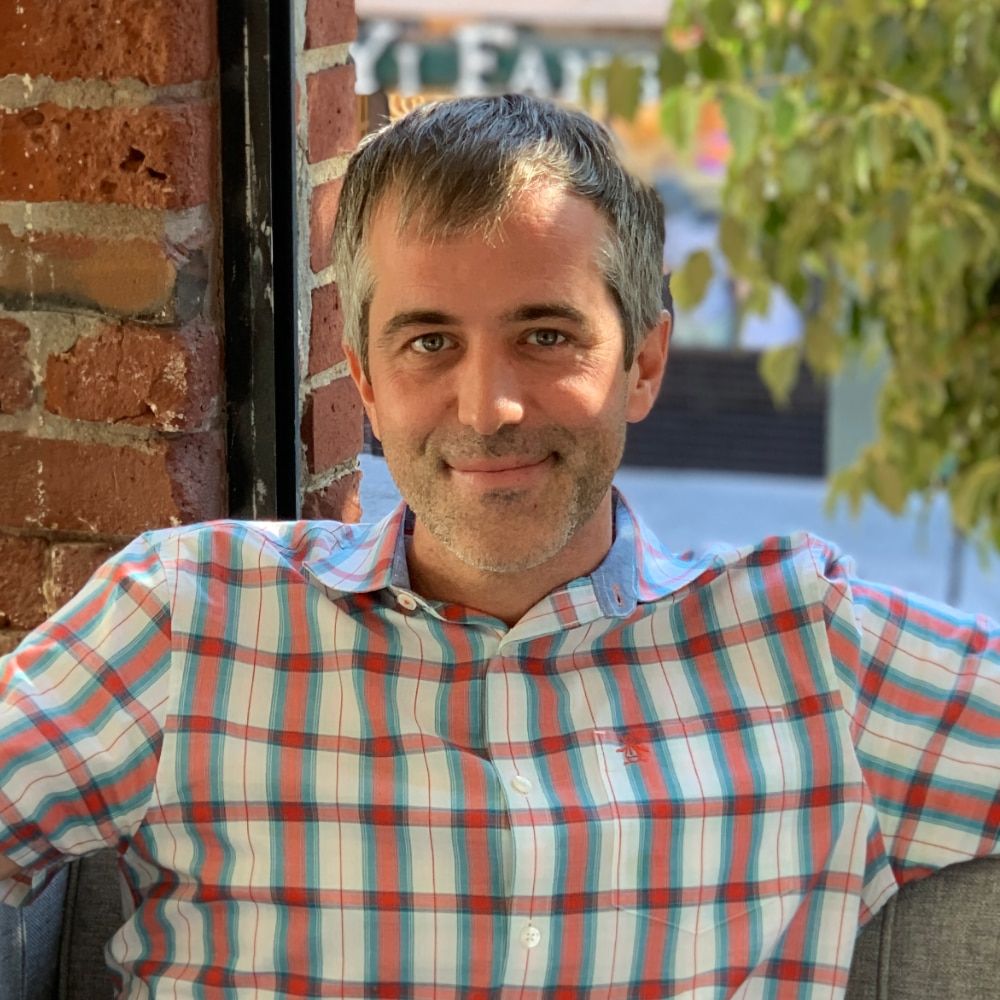
On episode 12 of Data Renegades, CL Kao sits down with Maxime Beauchemin to explore what happens when software teams start working alongside armies of AI agents. Max shares the thinking behind Agor, his collaborative platform for orchestrating coding agents, and reflects on how AI is reshaping engineering, product, design, and data work. They also dive into the future of agentic workflows, technical collaboration, and what human roles may look like in the years ahead.
Maxime “Max” Beauchemin is a longtime data and software engineering leader best known as the creator of Apache Airflow and Apache Superset, two widely adopted open-source projects in the modern data ecosystem. He is the founder and CEO of Preset and has worked at companies including Yahoo, Facebook, Airbnb, and Lyft. Max is currently exploring collaborative AI agent orchestration through his latest project, Agor.
transcript
CL Kao: Welcome to Data Renegades. I'm CL, CEO and founder of Recce and your host on Data Renegades. Today our guest is Maxime Beauchemin, back for the first time as a returning guest on Data Renegades, season two. Max was on season one, like October 2025 and a lot has happened in the six months since. Welcome back, Max.
Maxime "Max" Beauchemin: I'm excited to be here and excited to be a Data Renegade. You know, I should move my title to like "Renegade," I like that.
CL: Haha. Well, thanks for spending your time here. For listeners who didn't catch season one can you reintroduce yourself, who you are, and then what you've built and what you're working on right now?
Max: Yeah. So I've been working in data for the bulk of my career. So I've got a career of 20, 25 years now. So, you know, the gray beard. So I've been working in data for a long time and a lot of like, big Silicon Valley companies like Yahoo, Facebook, Airbnb, Lyft, and I'm mostly known for the work I've done around open source.
I'm the original creator of Apache Airflow, Apache Superset. So Superset I started a company around that's called Preset and that's where we commercialize the open source offering of Apache Superset. Apache Superset is like a killer tool that's fully open source for people who want to get rid of the vendors in, historically, the business intelligence space.
But it's very much like everything data consumption related. So it's a tool that can fully replace things like Tableau and Looker and Sigma. So if you want to go open source, Apache Superset is there. If you want the convenience of SaaS, at Preset we offer a managed offering around it with all sorts of bells and whistles. So that's what I've been up to. So I started a company back in like 2019 and you know, still trying to take over the world of data consumption with open source.
CL: Very cool. And then you've been working on something new and it's a lot has been happening since six months ago. So what changed your mind working on traditional BI-- Well even though it's just open source and then like a very different option for people who want to consume data, but you were working on something like with agents, right? What was the biggest change?
Max: Yeah, well, so I'm a builder, so the only moment where I'm truly happy and feel good about myself is when I'm building something actively and with everything that's been happening in the agentic space, I felt like building something, like I identified a gap. I think at first, you know, my first realization about this time last year, a little bit earlier last year is when I started using Claude Code.
I had my own like Claude Code moment and I was like, oh my God, this is changing everything. You know, we need to completely change the way that we work. And my first sense of urgency was I need to manage a lot of agents. Like I need to spin one off and then spin another terminal and created my own little kind of framework using Tmux and Vim and whatever tools that, that I use.
So I could manage like 3 agents, 5 agents, 10 agents, 20 agents and then started suffering from a few things at the time. So first thing was that just like the clarity context shift of you're managing 12 agents and you have 12 terminal window or Tmux tabs, you start getting a little bit lost in your flow. Like what PR is associated here.
If I need to start an environment, like a Docker environment for this, what port is going to be on--So, I started to hit some of the clarity issue that you get when coordinating and orchestrating more than five agents. So I was like, okay, I need a place like that's much more visual and was inspired to do something a little bit more like Figma.
And then I guess the other pain point was, you know, and I think it's still a pain point in the industry of like we're all running like multiple agents locally but then we're all kind of stuck in our own metal terminals and set up locally. There's no way to-- I cannot see what you're doing with your agents. You cannot see what I'm doing with my agents. We cannot share a dev environment.
So you know, realizing that we needed something a lot more collaborative. I've been kind of disappointed. There's been some progress around that. I would say like Cursor and Claude Code like enables you to have multiple work trees now but it seems like a bit of an afterthought.
And then Claude Cowork, maybe it's a little bit more collaborative but like collaboration is still you know, for security type reasons. I think the premise is that your interaction with your agent is very personal and private where.
I think today, now we're trying to figure out how to work with a lot of agents and how to work with our teams and we need to see each other's session.
So I was like I'm going to put it all on a board, so I'll have a framework that's centered around Git work trees and then have a board type UI. So I'll probably show some of that later. I should be able to share my screen. And then I wanted a highly collaborative place with a little bit of RBAC but even like sharing configurations, you know there's no reason why we all need to manage our MCP or settings that JSON with our MCPs, right?
And we might want some governance and policy. So it's like let's bring it all in an app where we can see what each other are doing. So I built something on top of the Claude Code SDK. I think it's called the Claude Agent SDK, the Codex SDK, the Microsoft Copilot SDK. So it's kind of a wrapper around all of these.
I was also worried that you know, the subsidies might go from a place to another. So I didn't want to be too pigeonholed on you know, Claude Code. So now we have this interface that exposes all the worthy SDKs including OpenCode, which is pretty cool because then you get access to all the Chinese models if you want them so much more open ended platform mostly for coding.
And then you know like since it's so frameworky I was able to, to add a lot of features like OpenClaw type features. So when OpenClaw dropped I added the notion of Agor assistants that are long live agent with, you know, memory system, skill system, that can be shared with your team, so you can create as many as these claws as you want, you know.
And then went into artifacts, which actually is a great story on its own. But for those not necessarily familiar with the term artifact, you know, when you're in a Claude session or a Codex session, like sometimes you'll see your agent creating a little like React app or a document to collaborate and that becomes a little bit of a panel.
So I build that primitive into Agor too, so you can ask your agent to publish these artifacts. So it's great for data visualization where you don't necessarily, you want to shortcut the BI tool and maybe in some ways it's like a little bit of the future. Right?
So on one side we're coming from the more traditional BI, adding agentic stuff on top of it, but on the other side that kind of coming from Agentic and adding like app making or data visualization from that front, maybe it kind of meets in the middle, you know.
CL: Right. Wow, we have a lot to unpack. Haha.
Max: There's a lot to talk about.
CL: I actually think that you are a couple months earlier than a lot of very experienced developers I knew for a lifetime. And they were all having this kind of, not necessarily Claude moment but kind of like the Christmas break last year, it got so good. And then I think everyone's like going through what you went through, like, well, this is great, but now I have so many terminal tabs.
How do we kind of build something to organize that? And then your solution is a visual way of organizing agents. Right? And I'm seeing that coming from kind of like the Airflow orchestration idea about how you will structure this work into semi pipeline, but now it's like more free form. Can you tell us a little bit about how your past experience influenced the design philosophy for your specific flavor of agent orchestration?
Max: Yeah, there's clearly-- It's like all of my experience and intuition kind of piled up working with different tools and maybe a good outcome from all this work that I've done on Airflow and Superset is, you know, I've got the background of a data engineer, but also like a software engineer. And then I became like much more, originally was more backend Python and then you know, ended up being much more front end working on Superset.
So like really building application-- Like I kind of touched a lot of the layers of the stack. So I came from that angle maybe like the extremely full stack person that wants to build something new, you know in the agentic era. And then you know, I was thinking like what are the primitives here? Like what, what is the information architecture?
And then clearly like you think of something as clear as the session, like what is the session? And the session is a clear entity. But then the work tree I think is very, very important too. So call it like your Git branch or you know, I'm pretty sure people are familiar with Git work trees. I tried the term Git work tree on Google Trends to see how many people like discover that they need to paralyze work, you know.
But like you realize like, oh shit, I should have like five agents and agents working in parallel. Then you cannot have a single clone. So people start by cloning the same repo multiple times and eventually discover work trees. But work tree is really important primitive. The session-- I think early on I was thinking about, about this time last year I was really thinking about the context window.
So forking. I discovered you could fork sessions, right? And you could spawn these subsessions too. So you can ask Claude to fire up another Claude, which it will do through the agent. I think there's a call called like agent calls of something where it will do that. But then you can't see what's happening in there. Like you don't see the logs and you can't post prompt these sessions.
I was like, oh, there's gotta be a better way to make it easy for people to fork, to spawn subsessions. There's a feature that's more obscure that's called By The Way, like BTW.
CL: Yeah.
Max: So while your agent is working you could say "/bytheway," you know, did you do this, did you not do that? Or where you at? And then that effectively like is a fork session that's short lived. But I was thinking about these session trees and managing my context window. I was also really curious. This time last year I was very focused on controlling my context window.
So I would always slash clear and try to always have a very clean context window. I think it doesn't matter as much now because the agents are better at compacting. But I was like I need a tool in which like forking and spawning a subsession is a primitive that, you know, where I can see my tree of sessions. I can go and post prompt my session. So those are some of the things I was thinking about. Maybe I'll share my screen just a little because I'm talking about like the information architecture.
CL: Yeah, of course.
Max: So this is one of my boards in Agor. So we're in an app here. And then you can see, you know, I'm going to try to describe what I do, but you see a board with what looks like a bit of a Kanban, right? So you have these zones. So for people who are listening on audio, you have zones like coding task, create a pull request, Codex review, UMN review. And there's all these sections on the like a Figma board.
And then all the cards that you see here, they are effectively a work tree. So each one of these cards would be a feature. And then I was talking about the session trees. So I'll kind of show what, what's happening here. But you can see this session a Claude Code session that spawned a subsession for instance, to ask for a review. And then the agent that does a review.
So Codex does a review of the code written by Claude. And then when it's done, it callbacks the parent with the last prompt. So then the parent is instructed to go and address some of the feedback. Actually, I think I might be able to show a little bit how it works. But each zone gets a template prompt, right?
So that when you drag a card from a prompt to another, you can have these templated prompts. So here I'm going to get an agent to create a pull request. But yeah, showing just a little bit on the lower corner. So now I'm looking at a session that's recent, but you have a button for forking, for spawning a subsession to ask one of these, By The Way questions. You can upload assets here too, the same way you can do in Claude Code.
But you know, overall like a, probably like a richer interface than you know, what you could ever have in a CLI. So here I'm operating over previous prompt and you'll see like the commit, you know, before, at the beginning and at the end of the prompt you can see your context window growing over time.
So you see this kind of bar chart that's behind? This shows like the context window percentage used, you know, so you know a little bit more visually like when exactly something, you know, your context window got big or when it got compacted.
So maybe I'll hold there. But this is like just showing the spatial canvas at a high level and then the richer session interface. There's a lot more to show in this app, but maybe we just start here and you can see there's other people connected here too. So you see a face pile of other icons.
CL: So I'm describing what I'm seeing. It's a multiplayer canvas. And then if you've used Figma or anything, you have a little bit of section and each card is kind of like a Claude section or Codex section. And then whenever you drag into the other part of the canvas there are things that you can trigger or apply to the session. So effectively kind of a visual collaborative workflow for a lot of concurrent agents.
Max: Yeah. And then just to clarify, to each card is a work tree. So you can see on this particular one, I'm zooming in, it has a pull request requests attached to it. So the prompt I just dragged or I moved the work tree to that zone and then it prompted to create a pull request and attach it to the work tree. So the agent is actually able to of course create the pull request, but then take the metadata and enrich so that you can have like, in some cases you'll see some of these work trees are attached to an issue and to a PR.
Something that's really cool too, and it's going to be a bit of a bag of features and probably overwhelming for people on the call. You can see that this, this start environment. So each repo can define one or many, a set of commands to define how to start a Docker, or not necessarily Docker, but how to start a remote environment. So if I click play on this little button on this work tree, I'm starting an Agor environment in this case in Docker.
But you could have your own script without going into too much details here, but that's all handled by configuration, the repo level. So here you can have different variants of the environment. For instance, in this repo I've got SQLite mode or Postgres mode or docs mode. Right? So there's different options around that here.
CL: Okay, let's take a step back. Obviously you built it for like organizing your own agent usage. Right? Starting with that, but it seems very full fledged now. So who is this really for? And then how are you seeing this being adopted inside the company or like outside the company?
Max: Yeah, I would say the first thing is like people that are struggling, orchestrating a lot of agents and terminals and VS code, or where you're kind of lost with your sessions and your work trees and the PRs that they're associated to. So that would be the first, like, hey, I want a visual place where I can organize my workflow visually and interact with all my agents and do a lot of what I call session hopping.
Like you go from like, okay, this agent is done with this, now it should be doing that. Right? So that's the first thing for individuals that want more visual clarity and just better structure for their workflow. Right? Keep track of a lot of things. Then the premise with Agor was always like, I want to collaborate with people I work with within their AI sessions. Right?
So if you're starting to see a thing where code review is the thing that takes the most time, it's the new bottleneck or QA. And then you're like, God, I have my git branch here that's ready to go and then someone else got to pull it and start a Docker and then I cannot see what's in their Docker and then maybe they push an update and I need to git push, git pull, docker start, you know, so here you can bring everyone on the same shared dev box.
And then, you know, the way it's done in Agor is each person's got their UNIX user. So there's a mode where you're in strict UNIX impersonation. So each user, you know, there's proper RBAC and there's proper like, hey this is my work tree. I don't want to give access to anyone or I don't want to allow other people to prompt my sessions or I want to allow this person to do that.
So there's, there's a layer of, of that in Agor. But if you feel like I would love to see other people's workflow and their sessions and maybe like start bringing my best practices with their best practices on a joint board-- So we do, I don't know, code review or QA or design review the same way.
CL: Mhm.
Max: So I would say that's the premise of like, you want to work with a lot of agents, but also with your team, you know, more actively.
CL: Yeah, I'm curious through that. So the tool enabling kind of collaboration and learning and then kind of through that process, like what's the most surprising thing you or your teammates learned from each other with this?
Max: Yeah, so I'll, I'll unpack just another feature in Agor, which is the assistant, which are-- So the board we were looking at just now is mostly like these coding sessions, right? One work tree per coding session on a repo. Now I added once-- when OpenClaw dropped I was like oh wow. It's actually pretty easy and super useful to have these long lived agents that have a memory system that have skills that are connected to handful of MCP that have access to documentation.
Maybe they have their own workflow like their watching your board and performing some actions for you. So I launched that probably like three or four months back internally. So like we, internally I could, I could show. But we have like, you know the whole company can use Agor and then everyone can come create their own board, create their own assistant and then do coding.
But also like there's been a lot of like ops use cases. So the thing that surprised me most is like how fast like everyone created their own assistants internally. So say you know, an ops person created a legal bot that's like a Better Call Saul, its name is Saul and like it's personified. You know how OpenClaws got like a SOUL.md, identity. md?
CL: Yeah.
Max: So we have like this acting, you know, legal agent that has access to all of our contracts, all of our red lines. It's got access to HubSpot directly. So you can do a lot. But yeah, so the ops folks kind of went crazy. They created like a deal desk bot, like a customer success agent, an agent to help with renewals when you get like customer renewal in a year, you have an agent that's like, "hey, this customer's renewal is coming up in three months. Like let's send the first email and schedule this stuff"and prepare like a report of how they've been ramping on the tool.
So more and more we see these agents joining almost like employees.
CL: Exactly, yeah. So I'm assuming that the ops person is not a technical user. Right? But he's able to build like bots or other integration. Is it completely on Agor or does it have to go out to kind of tend the agent in some way?
Max: Yeah, it's completely on Agor. So like I'll just show you. And I haven't really shown like this setting panel, but just going through until I get to assistant. But first, what is Agor in terms of like the primitives or like the information architectures that there's boards. So we already look at a board but you can create as many boards as you want and there's construct around repo and work trees.
So Agor is well aware of like the repos you want to work with. And the work trees that you've created. And then there's assistants. That's what I'm talking about now. So anyone here can come and create a new assistant. So you just give it a name, give it a board. Like typically your assistant will have its own board.
So maybe our legal bot, it's got its own legal board and it's keeping track of the contracts that are coming in. but here there's a bunch of these ephemeral ones that have been created and orphaned. But then there's a bunch of bots that are very specific, long live, accessible in Slack for us too.
So they all have a purpose and a manager in some ways. And then they're all connected with a collection of MCPs. If I keep going down the list. So I'll talk about the other things. So for people that are on audio, I'm showing the settings panel which shows all the big entities in Agor, of course I just talked about assistants.
And then just this notion of a card which is metadata. So an agent that's not necessarily coding might want to put, say, contracts on the board or like customer cases or tickets. Right? So that enables the agent to create a card type.
CL: These are like entity types, right?
Max: Yeah, pretty much. Right? And then that allows for the task. If I was to go see our legal bot over here, it only has like one card right now, but it shows a bit of a Kanban. And these cards are not coding tasks, but it's a way for the agent to show you, you know, what it's doing.
So there's cards which are just bits of metadata for visual feedback. Then there's artifacts which I'm going to put on the side. But your agents are able to create these little React apps or typically front end apps. So like a dashboard or DataVis or something that helps you sort your tickets. So the agent is able to create these small apps and publish them on board so other people can see them. So there's a whole mechanism here around getting credentials.
So if you create an app to help, I don't know, sort deals in HubSpot, you might need a way for, to get a HubSpot API key so that the app can use it. So there's a mechanism around that. Then you know there's config stuff in here. So MCP servers, the agentic tools that you use. So Those are the SDKs that we use in Agor, so Claude Code , Codex, Gemini, you know, so a bunch of configuration, it's always config hell, right. When you try to get access to agents to things.
But here you can control that pretty well in Agor. The last two entities I'm going to talk about, one is gateway channels. That's a way to make agents available in GitHub or Slack or eventually Discord or whatever apps. So that's like a gateway to make your agent available elsewhere. And then there's users which are--
I don't want to leak personal emails, so I'm exiting here. But "users" is very much like this app was built from the ground up to be like multi user and live. So when you see someone else, you see their cursor moving around the screen, you'll see which board they're on. It's a pretty rich like multiplayer feature. Everything is live in there.
CL: Very cool. And then so I can see a lot of interesting core abstraction, right? Repo and then work tree and then all this different type of entity. One thing that stood out, I'm curious about is that for like non coding work, like what you were saying, like contract tracking and all that, how does like work tree come to play? Because the artifact doesn't need to kind of live on the work tree. Right? So how do you kind of get the abstraction right?
Max: Yeah. So what is an assistant in Agor? So when you go and create a new one of these, like long live assistants, let's say we want to create like a help desk agent of some kind, right. So I would grow and then create this new entity. What happens behind the scene is it happens to be a work tree. So the work tree we clone a repo that's called Agor Assistant that has pretty much the OpenClaw framework.
So it has an identity.md, a soul.md, a user.md. So it has kind of a zero state like virgin agent that has never talked to anyone. And then here I really pretty much just inspired everything from OpenClaw. So that means OpenClaw's got a bootstrap.md file and if the agent sees it, it means it's this first boot, which means it's got to ask you about who it is and who you are.
And then I added on some things to say, "you are an Agor. You have full access to the Agor API." So there's an internal MCP for Agors. That means that the agent is able to create a board to create a work tree to put an agent to work. Right? Or it's able to pretty much do anything that a user can do in Agor, the agent can do it.
So when one of these assistant is created, it's really just a special work treat that is expected to be long lived and all its memory system and operating context is the file system. So typically the assistant will be instructed to commit and push to, you know, it's all instructed to manage its own memory system and then typically in a heartbeat--
So the heartbeat.MD is also an OpenClaw concept which is like the stuff that's supposed to run every half hour or every hour. Right? So say if you want to do a weekly report, you want to ask your assistant to create a weekly report. It will check to see if the report for this week is produced or not. If it's not there, it'll produce it, file it, you know, post it on Slack. But it's effectively just a long live branch. The assistant is just like, it's whole brain, you know, is the file system and it happens to live in the work tree that is never meant to be merged to main, basically.
CL: Okay, got it. Yeah. I feel that the underlying construct from the LLM or coding agents are just interesting, like just a log of conversation and then we're like choosing our entry point to direct that conversation in a meaningful way to achieve what we want to do. Right?
So this is super interesting. I had a little bit of exposure to playing with that and kind of creating my own orchestration as well. So I think I'm down the road with you. Haha.
And then I guess you were saying that the system is inspired by OpenClaw. And when should people consider using OpenClaw or NanoClaw or the whole family like Hermes or when should people try to use Agor?
Max: Well, I would say the main differentiator and I would look to see where exactly the other solutions are in terms like multiplayer. But if you want to work with your team, like if fundamentally you're looking for something for yourself, you know, maybe OpenClaw is sufficient and works. I think you can create multiple claws too in OpenClaw.
I think when I tried it, you could add only one assistant per instance. But if you want a place to work with your team, like that's collaborative. It's a little bit like do you want Sketch or Figma? And I guess the market has kind of spoken on that front. I guess Figma's still relevant but like no one uses Sketch because design is fundamentally a collaborative thing where you want other people to be able to come in and add comments and interact with your design, maybe you know, fork them.
So I think if you're looking for more of a solution for your team that's less private, for some of the workflows that you want to be shared, that's a place that was built from the ground up to do that.
CL: Got it, got it. And I'm seeing through all these different ways of orchestrating agents. I think there's a clear kind of slider like where you put humans in the system. Right? So what's your thought about should humans be dragging things across the board or should the agent do that? Or when is the human involved in your ideal world?
Max: Yeah, so that's what I was doing originally. It's like the system was built in a way where I created my zones, my prompt and I was like, you know, verifying the task and moving them along. But then I realized pretty quickly that a lot of this stuff is repetitive. It's like it depends on the person too and it depends on maybe the complexity of the task at hand.
But say usually you want to, for the agent to do some analysis, produce a plan and you want to review the plan, pre-coding. Sometimes you don't want to review the plan. Sometimes it's like, you know what, like it's cheap enough, I've got enough tokens left this week, like just go and implement it, you know, straight.
But yes, I think there are some gatekeeping at different point in time where you might want to review the plan, you probably want to review the code. You don't want the agent to merge for you. There might be QA and not all tasks are born equal. So the workflow might be different depending on the complexity of the task.
But what I do now is that on this board. Maybe I'll go back to sharing and I'll keep describing for people on audio. But I'm going back to like the board where I do the bulk of my Agor work. Right? And I could go to other boards where I'm, you know, we're doing like Superset bug fixing or security, you know, features.
But this one looks a little bit different. That's because that's my main session and that's an assistant. So this assistant here is able to process this board. So that means in its heartbeat it's instructed to do certain things and to use judgment. So that means like there's--
Actually I could, I could go deep in here. So if I go to the file. So here I'm accessing the file system and what the actual heartbeat is for this agent. But without like reading the whole thing. Like every time this agent wakes, up, every hour, it says for each work tree on your board, if the zone is null or the zone ID is-- If it's null or if it's null? Oh, that's interesting.
CL: So basically whatever that the agent is allowed to move, it will process that, right?
Max: Yeah. So it says basically take all the work trees on this board and introspect them. And there's some pretty extensive conditions here. But it says like, hey, if the PR has been merged, then you can move to the done zone. Or if the plan has been produced and looks sound, you can push the agent, you can move it to implementation. Or if it looks like there's been any like CI failure. Right?
If you're in the phase where there's like CI failures or some code review that needs to be addressed, like go proactively tell the agent working on this work tree to do the work. So essentially here, everything that I was doing, personally as the overseer of this agent, I've kind of put into this Agor assistant to do it for me.
And then there's some fine tuning over time. You're like, hey, this is a bit of a special case. You know, if there's like some review and there are like controversial things like just put it in like medium and attention for me, you know, ping me on Slack so you can really fine tune your workflow.
CL: That's super interesting. Yeah. So the kind of side project I built is called Spacedock, like building spaceships. And then it has a very similar concept where you have a first officer that is able to move things across workflow when it is allowed to. And then basically the workflow describes what good looks like for each and every stage, but it's intentionally kept very minimal. It's a readme file and a YAML front matter for describing the stages.
So I guess I'm seeing this type of construct in various systems. Everyone has their own flavor of that. I mean it's a very weird time. Especially you are coming from open source. Now it's just like, well, code is cheap, right? Everyone can just get inspired by others and implement their own.
Where do you see this go? Everyone having their own kind of personal flavor of agent management? Or are we kind of consolidating into a common practice?
Max: Yeah, things go through phases where there's deconsolidation and then reconsolidation maybe.
I think we're in a phase where everyone realized they got superpowers and they can build anything and that's kind of what I did with that. I feel like what I've built, I think, is highly relevant.
And there might be like, you know, 10 projects like it that are more relevant. I don't know. But one thing is, it certainly becomes possible for anyone to automate anything or to build any tool or to define their own workflows. The question is, like, when do you boil down the essence of the framework, what are the pieces that should be hard and kind of behind constraints and guarantees, and what are the parts that should be soft?
I think it's the tough thing to do in the age of AI. Here I was like, okay, you're going to get a board. Do we all agree that we need a visual support to see our sessions where spatial memory is really-- human spatial memory is really good. So I was like, okay, a board definitely helps. We need that. Then we need repos and work trees for the coding task. The agents should know, yeah, I need to add a repo. I need to create a work tree for this feature.
So I thought those were very kind of solid things that should be baked deep in the framework. Then user, the multi user and RBAC. Not everyone should be able to do everything. I think we need to define which user should see which board and which work tree. So kind of boiled it down to that essence, created this framework. And now the really cool thing that I haven't talked too much about, but it's the internal Agor MCP.
So all your agents in Agor can interact with the system. So you can say, hey can you find a session where we work on this? Or what is Camille been working on over the past week? And the agent can go and read the work trees, the sessions. It can also, there's all these assistants with memory systems. I think the assistant, I think, or what I call an assistant, which is really a claw in some way, an OpenClaw.
Those are extremely useful too. So that's how you get kind of meta. But now you have an agent that has access to all these primitives. You can have an agent that, you know, monitors your GitHub issues and that creates a board for each issue. Or you can kind of do anything from that perspective.
So, you know, you can have a strong system of callbacks too. So an agent can ask any other agent a question. I was afraid on, like the chain reaction effect, you know, I'm like, well, if I tell an agent that could call an agent that could call an agent, you know, at some point where-- But maybe at some point we do need some restraints and some constraints. Right?
So I haven't built any quota management right now, but I could have quota in here, right? And budgets. And you can do cool stuff like sharing accounts too. So if you have like some people that are not maxing out your Max Pro Plan, you know, Anthropic.
CL: They can share their unused quota. Haha!
Max: Yes. It's pretty easy. You could ask an agent, be like, you know, monitor the, you know, and then once this account is ended, you know, like move it and make sure that certain people are sharing a certain way. Track the cost of the cost of--
Tracking is really great. Like the observability is insane in here because once you bring it all in one place, you can see like who burned how much token, which projects are burning tokens, which type of tasks, you know, so you get the whole like token accounting, which has been kind of crazy realization. I realized that the Claude Max Pro plan, I'm able to spend like I think 10 to 20k a month on that 200.
CL: Something like that.
Max: It's insane.
CL: I thought it's like 6k or something amounts?
Max: I think I've broken over that a few times. It depends. You have to maximize like your, your week. I think there's a week quota. But I've got two accounts now and I'm struggling to keep the two. But I'm, my plan is to get like, if I can have five, you know, 200 Claude Max Pro plan, I'll probably do it. And then more and more things get automated.
You know, the cool thing is like we used to only be able to automate things that are very deterministic and clear cut. Now we're able to automate things with judgment to say, like if this feature is small enough, the PR is small enough, you don't necessarily need a Codex reviewer. You don't need that extra step, or you can merge yourself.
So that I think I've started to see some success on like agents being able to. Because workflows are not always like hard, right. Some are soft. There's some judgment to use, and that's what you end up doing as the human, you know, dragging the cards around.
CL: Yeah.
Max: But you can teach your agent that you can be like, listen, if you see another one like this one, feel free. Like you, you give more and more agency to the agent, you know?
CL: Yeah, I, I totally see that flexibility in the orchestration layer where you can basically use natural language to say, well, well, if this is like, well, some condition, like, for example, I'm working on some benchmark, right? If this harness change is going to impact benchmark, you got to do a staff review and then run a proper smoke for that. Otherwise you can go for a lighter process. So you describe that in natural language. It worked, right?
Max: Yeah, yeah. And you know, one thing that might be difficult is, like, if you don't have a framework like Agor, it might be hard to do certain things. So, like, an example, like a concrete example might be some PRs need QA, right? And when I say QA, that means spinning up an environment, going in the environment and clicking around, making sure that all the features work as expected.
So beyond unit tests and maybe integration tests, you might need manual review. And then right now I do this through Playwright MCP, right? And then not all the tickets need that, but some tickets, you can say, if it's that level complexity, fire up an environment, right? Because the agent is able to start the Docker environment and then create a test plan, spawn a subsession for an agent to go and run your test plan and produce a report.
CL: Or recording! Haha.
Max: Right. Or like, I asked the agent to take screenshots with Playwright MCP now.
CL: Yeah, exactly.
Max: That's it. So it will produce these little GIF videos to prove, because we had some false positives. So I was like, you'd better take a short video that shows you clicking on this thing and deleting this thing and making sure that it works. But you don't always need that. So what's the workflow?
Well, tell the agent that there's a section of your board maybe that requires the set of prompts or guarantees or whatever it is. And then if the ticket qualifies, put it there and start this alternative workflow.
CL: Cool. You talked about kind of the cycle for technology. Right? I want to bring this back to kind of like when you ship like Airflow or like Superset, what did kind of each of those categories look like?
I mean, right now, agent orchestration is the new thing. And I assume it's a little bit crowded. Like, there's a lot of tools. Right? But what was the kind of the state of things when you were working on Airflow and Superset.
Max: Yeah. So Airflow, I think, like the greatest thing at the time was probably there was something called Uzi that was not great, like JVM based. I think people were shifting to Python. Then it was Luigi that was maybe smaller in scope--
CL: More decorative.
Max: Yeah. And there was some things I didn't like about Luigi. But I looked at the stuff and then started writing code while at Airbnb, and I think it was a lot less noisy back then. Right? It's like someone is-- Like Airbnb as open source, something mattered at the time. I would say right now, there's signal to noise is very low, so it's really hard.
I really think, like, Agor is like a 50,000 stars, 100,000 stars on GitHub type project. But it's been hard to get people's attention because there's so much stuff happening right now. And I think people are also thinking, like, hey, I haven't really organized my own workflow. Like, I'm not ready to bring my team in.
And so I think the big, the big value premise is like, I think that people at some point will be like, how do we collaborate as a team with armies of agents? I think a lot of people are just simply not there yet. But it is exhilarating what you see when you start to see other people's cursors and their sessions and their boards and the assistants that they create.
And they bring these assistants on Slack, you know and then we figure out how to connect, like, the entire company to an MCP. So it's not just like, oh, I've connected that MCP, you should install it too. It's like, no, we've installed it for everyone. Just start a session at the MCP.
CL: Right.
Max: But yes, I think that landscape has changed. I would say the signal to noise. Right? Like, what are the three projects you should look at or play with right now is too many.
CL: Too many. Haha!
Max: But this is the right one. Like, you know, if you're listening to the podcast, this is the one thing you should look at.
CL: You should definitely try it. Yeah.
Max: Even, like, you know, I feel like I have some, some street cred around creating these things too, but it's hard to get, you know I was trying to get talks at larger conferences, you know, like, maybe the Agent Conference. I'm like, oh, I'm going to use my credentials, you know, to go and present this thing to the world. But I think people might not even see whether it's special or not, because there's just too many things.
CL: Even the majority of my kind of senior engineering friends only got started on this in December last year, and you are a couple months ahead. And another thing is a lot of people don't realize they have a workflow. Haha!
Max: Yeah, or they don't think that this workflow can be automated by an agent. But that's one thing that the big breakthrough, I think for me, my Claude Code moment was this time last year, and then I really dropped everything and went full agentic.
I think I've been having two Claude Max Pro plans since then, but the agents were not doing that well. The breakthrough I think from December is agents got really good with tools and with orchestration or at least that's something I changed. And then just accuracy rate, there was a lot less dead end all of a sudden.
Success rate got very expanded across complexity of tasks. You know, the thing that's crazy though is like, if you're like, oh, you're kind of ahead of the market in some ways on this, isn't that crazy to be kind of ahead of market and this like, this biggest, like tech revolution and like, maybe we're the next train station or like two train stations, but it's unclear that the train is going to fly.
You know, in the end the only prompt you might need might just be like, "build something relevant and make money."You know?
CL: "Make it happen!" Haha.
Max: Yeah, that's it. "Work Harder." Haha.
CL: Yeah.
Max: You know, but I think for a moment we're going to be like figuring out agent orchestration this year. You know, I think that brings questions around like security and like, what agent identity and what they should have access to. Do they lease the user's permission, the prompter's permission, or do they have like their own service account and I think separate service account. Like Okta for agents I think is probably happening this year.
CL: Yeah. There are like key cards and other companies. Yeah.
Max: Yeah.
CL: I'm also curious because this is the third major project you're working on. What's kind of the pattern across, like all three? Like, do you realize that there's like a design philosophy or a way of thinking that you only realized once you started a third project?
Max: Yeah, or if I have like a style, you know, or like a certain approach? I think I just start building stuff.
The magic really happens when you use the stuff that you're building every day.
Right? If you try to build a product for your neighbor or for someone else, and you're not a subject matter expert-- Like for me, I'm like really trying to crack agentic coding. I'm using Agor to build Agor since, you know, I started it in the fall.
And there's some magic that happens there but you know, some of the skills that are really important in this area that I think I'm like decent at is like modeling, just in general, like what is the you know, thinking information architecture, entity relationship diagram, you know, feature mapping, mocking the stuff I've gotten decent with like UI design while working on Superset because it's so like database is so UI heavy.
But I think it's like this attention to detail, maybe like modeling ability and then like just like the drive to build, you know, like yeah, I'm going to, it's of kind going to do this, going to do that and-- Something interesting that's like a, like more on the personal side, like I realized like talking to ChatGPT that I might be on the ADHD spectrum in some ways.
Like a lot of founders and builders are, like a high functioning ADHD. But like I think that this era is serving us very well. Like people that have tons of ideas and you know, you can start everything, you're like "get an agent to work on this, work on that" and then maybe it's like 30, 50, 60% of stuff works.
But this drive to try a lot of things, being creative, trying everything is really, really good right now. I think there's something to be learned of the ADHD type traits, which is to be creative. You can try. You want to build this feature? Put an agent on it.
CL: Yeah, I feel like completely.
Max: This is actually one well my own line I was sharing with my team was like, wow, I'm working on three projects across seven terminals. It makes my ADHD brain very happy. Haha. But this is probably not sustainable. I can just find a better way to organize all those terminal tabs.
Max: Yeah, well there you go. So maybe that's what it is. And it could be that my vision or approach kind of fits a certain mindset and I think we're going to see that now that everyone can build the thing that fits their mindset, which is good in many ways. Right?
If you have a certain approach, you want your workflow to look a certain way and you can build a custom app. But where we're losing is that now everyone's got their own framework. Right? So I think the collaboration, if we were all enabled in this software utopia to have exactly the workflows and the apps that we want, how do we work together? And there are some clear places where we need to talk internally about , say, what is the quality bar to merge a PR?
CL: Yeah.
Max: What is good enough of a test plan? And then maybe want to standardize some of these prompts as skills or as zones or it's unclear, like once multiple people on the team an agentic team agrees on a certain process, like how are you supposed to implement that? Is that like skills and the repo that you're working on is the skills and a skill repo that you import?
So right now I think we're all kind of scattered brain and kind of scattered on our laptop. So offering a place to bring it back together is an interesting proposal, I think. Get out of your local and come work on the team space.
CL: So what I'm hearing is that, well, I mean everyone is trying to build their own workflow, but we got to find a way to have the common abstraction, common language, or agree on a way to work together. In the kind of software engineering or product building world, I guess a lot of talk about the collapse of the EPD, or engineering, product and design.
It's like, well, you are all product builder, but you specialize in engineering or is you specializing product? And everyone's coming from a very different angle and how do we work together? But for Agor, it's definitely with that and then for your own team. But are you seeing similar kind of phase shift for data roles for like data teams or companies?
Max: Starting with EPD even. Right? Like, I think it's clear that the roles are collapsing. So maybe you come from a design background, you come from an engineering background, or you come from a QA background, but it's pretty clear that now everyone can do everything.
So then it becomes more about agency. I think we're also realizing the bottlenecks are where people need to interact. Right? You need a code review. So someone else got a Git pull. Look at where you were thinking, kind of load that into their wetware and make some decisions.
CL: Burn their human tokens. Haha.
Max: Haha. Yeah, their human tokens. And it gets rough, right, because you're already in seven sessions and now you got to start an eighth session to review someone else's code. You have no idea what they were doing.
But I think embracing the collapse is great. So to tell everyone, internally, for me to say everyone is a member of technical staff and your role is to find impact and then to automate this and then to go find impact again and automate that. Right?
So I think that's always been good advice for any type of career. It just used to be a lot harder to automate things. I would say it's still the same approach and still the same thing for the collapse of the data team too. So I don't know. Data engineer, analyst engineer, data analysts, data ops specialists. Like that's just one role.
Like you're maybe you're just member of technical staff dash data and you can probably get rid of the data if you want or maybe that's just explains where you come from. But I think still there is like look at what I tell people is like look for-- I mean it's just stupid of a recommendation but it's also the core of it:
Look for impact, automate the space and then move on. Go find the greatest thing of impact in your neighborhood.
CL: Wow, this is great. So I think last time you talked about one of the main problem with data teams is there hasn't really been a renaissance in data model. Right? In the couple months passed, do you think that's changed or it is not necessary because agents going to answer all the question with latent modeling that we don't have to care?
Max: Yeah, I don't know. You know. Haha. But, but I think is data modeling more important? I think modeling though is a good skill. Whether it's data modeling or you know, application modeling, abstraction, I think the really hard thing is to figure out what's hard and what's soft. And then by that I mean like what are the places where we need a super strong constraints and guarantees versus the places where agents can just go do whatever the heck they want to solve our problem.
Right? What are the clear areas where we need more constraint things and more clear verification. So maybe data modeling you know, is still a good skill to have. But then could you get away with just letting your agents' data model, you know, just like match the pattern that you see in the data warehouse or use Kimball style, that's good enough for me.
You know, the one thing that people have been talking about too is like the skill that might matter most is the clarity of intent. What is it that you want and what does good look like?
Right? So maybe that goes on software engineering that goes towards the PM. Like the PM maybe. Or the designer is like this is how I want for the mechanics of the product to work. Could you go like only on that front and be like I don't care what you built as long as what you ship as a perfect product, the way I want to see it? The agents could have a bad architecture or pick the wrong library and make other mistakes in other areas. It all kind of matters.
But then you can kind of trust agents across the surface there. So it's like just adding enough knowledge to be able to correct and steer the right way across the board. So go wide as opposed to getting very specialized in the Vertical is the way. Like everyone should flatten and go wide, you know, so that's a clear thing. And then you find impact and you go end to end. Like you don't--
If you need a QA person, that means that you're not good enough of an engineer or an EPD person, right? Or if, if you need a designer, it's probably a sign that you're not working with agents on design like well enough. So it's like try to carry stuff end to end, minimize like the number of like human handoff. O r recognize when you need it maybe, you know, so it's not just like don't use a designer, it's like just only use the designer when you really need one because this is a hard design problem.
CL: Okay, while we are all in this like wild 2026, where do you see the durable role for humans in agentic work? Like for example, in two years, are we always just saying like "make it so" and it will happen? Or are we reviewing plans or code more?
Max: Two years?
CL: Yeah, two years.
Max: Yeah, two years is long.
CL: Even six months is hard to plan.
Max: Yeah. But I do think that people relentlessly seeking impact, people orchestrating a lot of agents, trying to automate the crap out of everything is super key. Maybe the ADHD traits of like, "no, I actually I'm happy when I have 20 or 30 agents working for me." Those are good skills.
The other skill I see as super important in this particular era, I'm not sure if it carries in two years, but is AI enablement. So if you're figuring out how to do this stuff, you're working with more agents than average person in your team, you need to help them figure out how to use more agents, parallelize more work.
And I could not offer a better platform than Agor to do that because you can, you know, you can go and set them up on a board, you can prompt their session, they can see what you're doing, you can kind of comment on there to share some practices and things like that. So I think AI enable--
At some point I was thinking about almost rebranding Agor. Not rebranding, but bringing to messaging, positioning something around. This is the perfect platform for AI enablement. You need to help others multiply themselves. So if you're a 10x engineer, 100x engineer today and there are still like two 2x - 3x engineers in your team, you need to go help them. You know, you have more impact and bringing people up than like trying to get the next multiplier for you maybe.
Or it's like a balance, you know, find your next multiplier, bring people up the pyramid and then, what's blocking there? I think it's like people don't see good examples or good workflows. It's all encapsulated on your laptop.
So it's hard to share and learn that new work if the nature of work is to orchestrate a bunch of agents in 2026. How do you learn how to do that well? By doing, probably. Right? But by seeing it's good too.
CL: Yeah. Okay, so I guess before we wrap, I guess tell us more about kind of the licensing choice for Agor. I know this is a BSL license, right? And then how did you arrive on it? Are you planning to offer like a commercial service alongside Preset?
Max: Yeah, I wanted to like keep that option open. And you know, that's interesting because I'm hardcore open source. All my projects are like super open licenses. But when I started building this thing I was like, I might change my mind later and open it further or close it further.
But I was like a BSL seems like a good thing because just for people not familiar with like those, those like more copy left licenses, it means like the code's open source, you can use it, but you just can't commercialize it yourself.
So I was like, if there's going to be someone, if we have an OpenClaw moment of 100,000 stars on GitHub and everyone starts using this thing, I like the privilege of being the only person who can commercialize it or for my company to be able to commercialize it, I might reconsider too. I don't think it's a real blocker for anyone today to use the open source, as far as it user for you or for your team is open source the same way, it's just you can't make money off of it.
So that seemed like a good trade off, you know. And if that was a real blocker to adoption, I might go Apache II. But you know, you spend some of your creative juices building something, it's good to be able to retain some commercial stuff. Also, like, I know the model with Pure Apache II, which is what we're doing, you know, with Preset and Superset, which is similar to what Confluent is doing with Kafka or what Databricks did is doing with Spark.
If you have a model where you don't protect your commercial rights, then you're incentivized to do open core and then build a lot of crust around it, which is also not ideal. So I could have said Agor is Apache II. But the artifact feature, some of the coolest features would be only commercial. I think it's better instead of putting it there to put it on DSL and just retain a commercial. Right. So if people have strong thoughts around it too, you know, curious to, to hear them, but it just seemed like a fair balance today, like nowadays, you know.
CL: Cool. Thanks for sharing. And then before we get into the lightning round, is there anything that we should have asked you or you want to cover?
Max: I think we should talk about the existential stuff, which is like, you know, what does that mean for all of us? So maybe my short answer is like, I do think we're going to some sort of like Software Utopia.
CL: Or Singularity? Haha.
Max: Well, Singularity is definitely happening, by the way. Like, I read the Singularity is Near back in like 2006 or 2007. And I was like, oh my God, this, if this ever happens, it's like I saw it and I was like, this is going to be so cool to live through it. Like, I really hope--
CL: Yeah within our lifetime. Haha.
Max: Within our lifetime. And then here we are, you know, on track for the Singularity, well into it. So I really believe it's happening. But yeah, some of the existential questions, you know, also Software Utopia is happening, I think digital transformation of like all the, I think the tech companies take over the rest of the world or there's more money that comes to Silicon Valley until everything gets commoditized and free forever.
But I think there's a lot more opportunities, I think, for Silicon Valley to transform the commercial world in general. And then from a personal perspective, the only thing I kind of tell people is like, find impact, automate it and go find more impact and then try a lot of things, push the boundaries, explore the horizon of what the agents can and can't do today and be smart and keep pushing.
I think that's generally a good recipe. But yeah, I don't know. The other thing that's interesting, I think in the existential question is that's probably good time to go and start a company too. Or there's maybe we're going to decentralize some of these companies.
CL: What flavor of company are you talking about? Venture backed or one-person unicorn?
Max: I don't know. I think all of the above. Right? I think all the models can work, but the bootstrapped, like, I'm just going to find a way to make money for me and my family, and maybe I'm an employer, too. But small teams disrupting big, doing something you're passionate about, maybe a subject area you really know.
So if you're, you really know, like a specific area or type of work, you know, you go build your own thing in that niche. But yeah, maybe it's a good time to start a business.
CL: Well, thank you for that advice. All right, so we're going to head into our lightning round. So quick questions and then quick answers. Are you ready?
Max: Ready.
CL: Perfect. So, best new tool you've added to your workflow in the last six months?
Max: I think something interesting is the rise of artifacts and then using something called Sandpack. Sandpack is like a way to create an iframe and deploy an app inside an iframe.
CL: Oh, is it something like Sandstorm before?
Max: I think it's different things. That is very interesting. But Sandpack, if you're familiar with all of the JavaScript editors online, like the little IDEs where you can have like five files and then build the, write a little JavaScript, CSS, HTML and pull it, put an app together. These companies now are discovering they're agentic and they have the framework where you can, you know, you have an API where you publish a small app and it's served there.
CL: Okay.
Max: And I do think, like, ephemeral apps is a big thing that's coming up. Like just being able to create these little apps and deploy them. Maybe dashboards become more that way in the future. Like a custom dashboard. There's a micro app, serve and Superset or elsewhere, you know, in a chatbot session.
CL: Cool. Next. One most surprising thing an agent did for you this year, good or bad?
Max: Yeah, I think it's just everything. The real issue is I'm realizing, okay, like, what is the hill that we try to defend? Or what is the place of retreat? And then I'm realizing that there is just like, just about nothing. But, like, everything you do, like a workflow you do today could be done better with an agent. Maybe the first time might be as long as doing it yourself, it's probably going to be faster, even the first time. The second time you do it and 10 times after as you organize the workflow.
Probably better done with an agent. Assuming memory system, access the right skills, access the right systems. So I think what's amazing me is that there is just like nothing left that you cannot automate or that you cannot get a better result with an agent, which is insane.
CL: Okay, so you're surprised by that. You thought there was something to defend?
Max: Yeah, I mean, then testing the boundaries, like things that clearly didn't work before or were clunky or were getting in the way, you know, like these things are like melting very, very quickly.
If you retest something that didn't work three months ago or in the Fall, it's likely that it works now.
CL: Yeah, I find joy where like I can tell the agent, well, this is over-engineered and then this is a better construct that you can simplify. But I'm assuming this is getting better and we can have that principle embedded in the initial design, then they should be following that. But right now I'm still enjoying pushing back like, "well, this is over engineered." Haha.
Max: Oh yeah, there's definitely. All my prompts are like, it's got to be dry. It's got to be like, tech debt, concise, don't overthink it. You're absolutely right, you know but yeah, I think like a lot of that, you know, maybe some of the things that people observe out of an agent that was like bad behavior, like if you have the right framework and prompts and you know, agents. md or claude.md, that can be addressed pretty easily.
So I haven't found like the areas where, you know, there's no way to get the agent to to do well. I think it's struggling a little bit with like manual tests, you know, like with a headless browser. A lot of false positive, false negative. But the next model is going to be much better at that. And it's already like, much better than doing manual tests. Like, who's doing manual tests?
CL: Okay, next one. What's the model you reached for first and why? Like, which flavor of AI model?
Max: Yeah, so I'm always like 4.7, 4.6 now. So like, there's been like, I've had a good experience with 4.7, so Opus 4.7. People were like, oh, it's not good because the thinking budget is lower than 4.6. So I've been like between 4.6 and 4.7. But I could show in Agor you get to pick your default models and default settings, default configuration for all of your models. But I'm on 4.7 now.
CL: Okay.
Max: And then a lot of Codex. Codex 5.5 for like code review.
CL: It's pretty good.
Max: Or when I run out of tokens. But like for review I would say never merge a PR authored by Claude without getting a Codex 5.5 review and then you get like a different perspective on the model. So for me, often I do multiple reviews. I'll do Codex 5.5, Claude itself, Gemini and then ask the agent to wait for the three agents to bring it all together.
CL: Okay, so next thing. You talk about a lot of automating and finding impact. But outside of work, have you automated something in your life since we last talked?
Max: Yeah, have I done some of that? I think at some point, I've got a Mac studio behind me that I put all of my more tech personal-- So I have an instance of Agor there that's running with access to my personal email, personal calendar. I plan a trip to Japan and got the agent to like do all their reservation and the flights searching. So that was maybe two months ago. But I planned a two week trip to Japan a ll agentically, you know, and through headless browser and all that stuff.
CL: Very cool. And then this is, to be clear, like the agent on your Mac Mini, not a travel agent, right? Haha!
Max: Yeah, yeah. Do travel agents still exist? Haha. Oh, no, no. But yeah, no, all on the Mac Mini. And it was cool because like I had access to the agent remotely, like through text message. So during my trip I could be like, okay, what's the reservation for tonight? Or like okay for tomorrow at what time's the flight tomorrow and at what time should we leave the hotel? Like do the math.
And it did not hit any issues. Like that would be pretty bad if the agent hallucinated like your flight is the wrong date, you know. But that worked out very well.
CL: Very cool. All right, so last one, can you finish the sentence? Like in five years every data team will be what?
Max: Will be member of technical staff.
CL: Wow, that's great.
Max: Right? So the new title, and I mentioned that already, you know, and talking today, but I think if you go look at the titles that people work at Anthropic or OpenAI, I think they're all like member of technical staff. So you know, I would say either just pure member of technical staff or a member of technical staff dash data, you know, with a data focus. But yeah, I think the role is going to collapse and everyone's going to become wider. I don't know if we're going to re-specialize after that or if it's just going to be fine impact and be technical.
CL: Yeah, well, I guess from-- One of the sci-fi I love is like well you got to have the role in the future that's kind of the program archaeologists. Right? So those people who like-- We are the few people who understand the actual code at that time. Haha!
Max: Right. I wonder if there's a craft, you know, because like you know, shoemaking got industrialized and then you know, there's a handful of shoemakers left. But I wonder if there's going to be like oh, I want an app like in jQuery, you know, 2005 style CSS 2.0. Haha.
You know, I want it to feel just like you know, Amazon felt in 2002. But but I don't. I think there's nothing there though. I would say like through the industrial revolution there was like a push for like craft. Right? Like, or like you're a woodworker and you do it the old way with the old methods and this is better than like industrial crap.
But I don't know if that will exist for software. My hunch is no. And then just give up on that already. Find something else to do. I mean, yeah, there's all like, you know, maybe if there is like a true like utopia or "abundance" people call it that, you know, there's more room for like art and social and being like closer to friends and family and find like a different kind of value there or like a service industry where it's like humans go together places and organize things.
But I think it's going to be a while before there's like a full blown economy around like you know, experiences out there. Maybe not a bad place to be if there's going to be abundance, you know, there's going to, experiences become like a cool thing. So maybe that's like push your hobbies on the side and maybe start a business at some point if you have nothing else.
CL: Yeah, I would add to that: Let's try to make this abundance happen. Not dystopian. Haha!
Max: Yeah.
CL: Thank you so much for joining, Max.
Max: It was a pleasure. Love talking to you.
Content from the Library
Generationship Ep. #54, Human-like Memory with Vishakha Gupta
On episode 54 of Generationship, Rachel Chalmers sits down with Vishakha Gupta to explore the hidden infrastructure challenges...
Data Renegades Ep. #10, Data Modeling Matters Most with Toby Mao
On episode 10 of Data Renegades, CL Kao and Dori Wilson sit down with Toby Mao. They explore how real-world data problems at...
Data Renegades Ep. #5, The Identity Crisis of BI with Benn Stancil
On episode 5 of Data Renegades, CL Kao and Dori Wilson sit down with Benn Stancil to explore how data tools evolve, and sometimes...